
What Is an Iftar Box and What Items Are Included During Ramadan
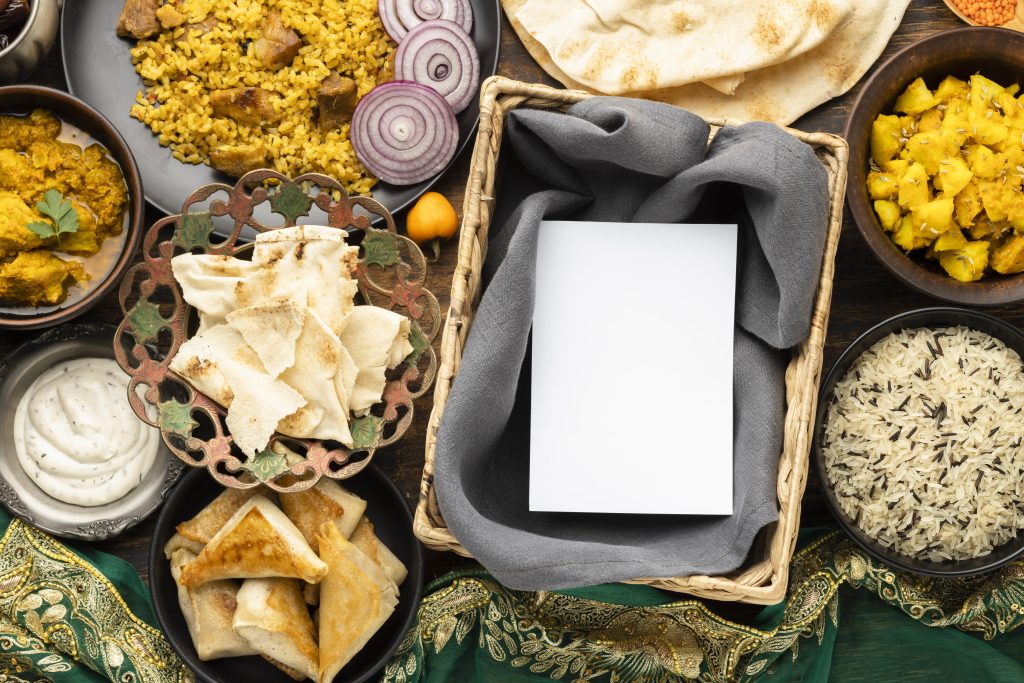
Discover Iftar Boxes: Essentials and Typical Contents for Breaking the Fast
Iftar always brings relief after a long day of fasting, but maybe this year your evenings feel a little more rushed, or you are hosting more people than your kitchen can handle. That is usually when the idea of an iftar box appears. One small pack that promises to take care of everything.
The question is, what actually goes into that box, and how do you know if it will truly keep everyone full, comfortable, and in the spirit of Ramadan? Keep reading, and by the end, you will have a clear picture of what a good iftar box should include, when it makes sense to use one, and how it can quietly make your evenings easier.
What Is an Iftar Box
An iftar box is a complete iftar in a box, usually designed for one fasting person. It brings together the key parts of an iftar meal in a single, neatly packed container that is easy to carry, store, and distribute.
In the UAE, companies, schools, mosques, and families use iftar packs to serve large groups quickly at Maghrib. This format suits charity distributions, office iftars, roadside support for commuters, and family members who are on the move during Ramadan.
Why Iftar Boxes Are Popular in the UAE
Iftar happens at a specific time, and delays in serving food can feel stressful after a long day of fasting. An iftar food box reduces that stress because everything is ready to open and eat right on time.
For busy professionals, drivers, students, and shift workers, carrying an iftar pack means they do not miss iftar even if they cannot reach home. For organisers, iftar in a box avoids long buffet queues and complicated plating, which helps them serve many people in a short window and keeps the process simple.
Typical Iftar Box Items
Most boxes begin with dates to open the fast. This is often followed by savoury items such as samosa and onion pakoda that provide quick energy and a comforting taste. Many iftar meal boxes then add a light starter, for example, a vegetable spring roll or channa chat, to bring in variety in texture and flavour without being too heavy.
For the main part of the iftar meal, an iftar food box often includes a rice-based dish such as chicken biryani or a curry with rice or bread. This gives the feeling of a proper meal rather than just snacks.
Alongside this, there is usually a cooling side, such as raitha, to balance spices and support digestion. Fresh fruit, often an apple, an orange, or a portion of cut fruits, brings natural sweetness and extra hydration. Finally, one or more drinks, such as a small water bottle, laban, or juice, help with gentle rehydration after the fast.
Examples of Iftar Food Box Combinations
In practice, these elements are combined in different ways depending on budget, setting, and appetite. A lighter iftar box might hold dates, one samosa, a small portion of onion pakoda, a vegetable spring roll, a little channa chat, a piece of fruit, water, and a small juice. Another iftar meal box could focus more on the main dish, pairing dates and samosa with a generous serving of chicken biryani, raitha, fruit, and water.
There are also mixed styles, where an iftar pack offers both snacks and a full main. Richer versions of iftar in a box may add extra protein, such as chicken cutlet and chicken 65, alongside biryani, cut fruits, laban, water, and juice.
Some menus replace biryani with a curry and ghee rice or parotta, but keep the same structure of dates, snacks, main, fruit, and drinks.
Portion Size and Satiety
A good iftar box should feel satisfying without being uncomfortably heavy. Most are sized for one fasting adult. A typical box includes a modest portion of rice or bread with a curry or biryani, a few fried snacks, a small serving of salad or chat, some fruit, and at least one drink.
Lighter boxes with more snacks and less rice suit people who expect to eat a larger dinner later in the evening. Heavier boxes with more protein and side dishes work better when the iftar box is intended to be the main meal of the night.
The aim is to help someone move from the first break of the fast to feeling comfortably full in a gradual way. If the box is too small, the person may still feel hungry and need to arrange more food. If it is too large, they may feel sluggish, which can make it harder to attend prayers or continue evening activities.
Packaging and Practical Design
Packaging decides how practical an iftar pack is once it leaves the kitchen. Well-designed iftar boxes are compact enough to stack easily in cars, vans, chillers, and at distribution points. They need to be strong so they do not collapse or leak when handled. Many boxes use compartments or separate containers to keep snacks, mains, and wet items like raitha from mixing too early.
Cultural Relevance of the Iftar Box
The iftar box fits naturally into Ramadan traditions in the UAE. Sharing food at iftar is an important habit, and many families and groups like to include neighbours, colleagues, and those in need. Iftar food boxes make this easier, because one can share a complete, balanced meal with someone who is not at home at sunset.
Dates at the top of the contents list echo prophetic practice, while the snacks and mains reflect the mix of cultures that live and work in the country.
For many communities, arranging iftar packs throughout the month becomes a regular act of giving. Distributing boxes at mosques, community tents, or worker accommodations allows people to share the reward of feeding someone who is fasting.
When an Iftar Pack Works Best
An iftar pack is especially helpful in situations where buffets or full table service are not practical. In offices, a boxed format lets employees pick up their iftar in a meeting room and break their fast on time, even if they are working on a project. In schools or universities, students can collect boxes and eat in their dorms or common areas. At mosques and community spaces, boxes keep lines moving quickly and give each person the same complete iftar.
In all these cases, the iftar meal box format keeps things fair, orderly, and simple.
Health and Comfort Considerations
After a day without food or drink, the body needs a gentle restart. A thoughtful iftar box is built around this idea. Starting with dates and water, then moving to a few light snacks and fruit, before finally eating the main dish, helps the stomach adjust. Including yogurt-based items like raitha or laban alongside fried snacks can make digestion easier. Using fruit and juice to add natural sweetness also means people do not rely only on very sugary desserts.
Organisers can choose menus that lean lighter or richer depending on who will be eating. For example, a group that values lighter, health-focused options might choose boxes with more fruit, salad, and grilled items and fewer fried snacks. Another group might prefer a more indulgent iftar, especially for special nights or celebrations.
Suitability for Different Groups During Ramadan
Iftar boxes can support many types of people and settings in the UAE. Office teams who want to break fast together can arrange for boxes to be delivered to their workplace. On-site workers who do not have a full kitchen can still enjoy a complete iftar without extra preparation. Students in hostels, mosque attendees who arrive close to Maghrib, and families with very busy schedules all benefit from knowing that each person has a ready iftar meal.
Charitable organisations and informal community groups also find the iftar food box format useful. It makes it easier to plan quantities, manage costs, and ensure each person receives a similar, balanced meal. When organised well, this approach supports both practical needs and the spirit of sharing that defines Ramadan.
Conclusion
An iftar box is a practical way to offer a complete, respectful iftar meal that fits the rhythm of Ramadan in modern life. By combining dates, snacks, a main dish, fruit, and drinks in a single iftar in a box, it supports people who are fasting at work, on the road, in shared spaces, or at community events.
With careful attention to portion size, packaging, and menu balance, an iftar meal box helps keep Ramadan evenings calm, organised, and inclusive for many different groups.
You can explore curated iftar boxes from XL Catering to find combinations that suit your Ramadan plans across the UAE.
Contact us through this form, and we will get back to you.
FAQs
What is usually included in an iftar box?
A typical iftar box includes dates, a few fried snacks like samosa and onion pakoda, a light starter such as channa chat, a main like biryani or curry with rice or bread, fresh fruit, and at least one drink such as water, laban, or juice.
Is one iftar meal box enough for a full meal?
Most iftar meal box options are designed to satisfy one fasting adult, with enough variety and quantity to replace a home-cooked iftar, especially when they include both snacks and a full main dish.
Where are iftar food boxes most useful during Ramadan?
Iftar food boxes are especially useful in offices, schools, mosques, labour camps, community tents, and for people travelling or working at iftar time, because they are easy to distribute, carry, and eat as soon as the fast ends.
